


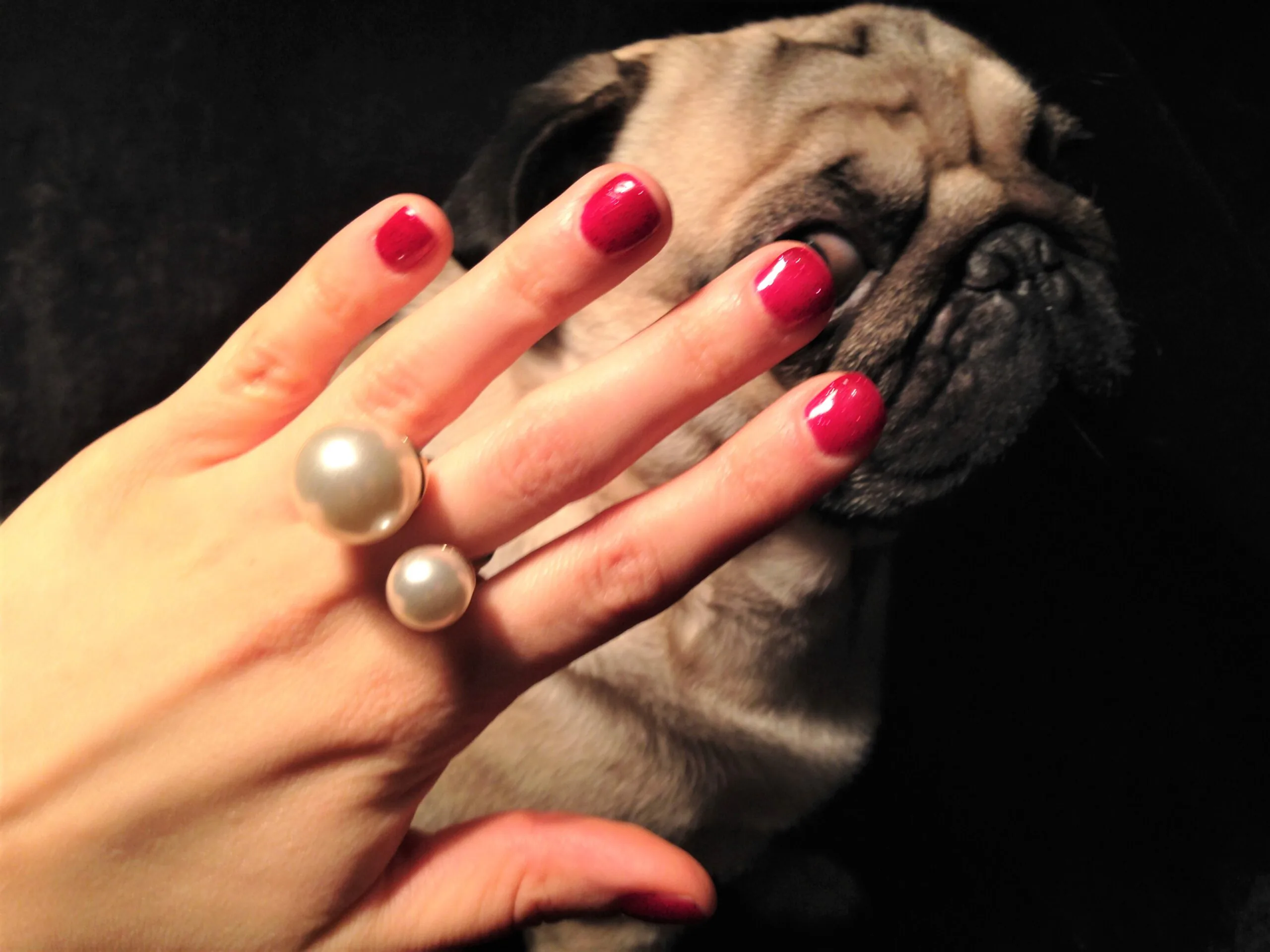
Nail biting is often seen as merely a trivial inconvenience. After all, already in newborns we notice the tendency to suck the thumb. With the passage of time – in childhood and into adulthood – this develops into a nail-biting habit. If this habit originates from a completely natural reflex, should it be seen as problematic? Contrary to expectations, it is a disorder not only of an aesthetic nature, but also of a health nature. It is not without reason that among specialists habitual nail biting is referred to as onychophagia. In this article, we would like to explain what is behind the need to bite nails, what consequences are associated with it and what to do to break the uncomfortable habit.
An indispensable need or just a desire to bite your nails?
The reasons behind nail biting can vary – from classic boredom and an attempt to keep your hands busy with something to relieving stress and uncertainty before an upcoming exam or a deadline. It is an involuntary, automatic and unfortunately … addictive habit. For the most part, it is a habit that can be successfully abandoned by giving the proper amount of attention to one’s behavior. However, if, despite strenuous attempts to quit biting, it is a recurring problem then it should be treated as a mental disorder from the obsessive-compulsive group. In this case, nail biting is a nuisance because of the consequences it results in.
Nail biting… and what’s next?
Speaking of nail biting, what automatically comes to mind are changes of an aesthetic nature, that is, those occurring in the external appearance of the nails. The most common are damages to the nail plate and the peri-nail cuticles, which are not only painful, but can also lead to permanent deformation of the nails. On such nails it is difficult to perform a hybrid manicure or a beautiful French manicure.
On another note, onychophagia entails dental problems. Long-term nail biting contributes to the occurrence of bite changes, disrupting jaw movement which may require expensive orthodontic treatment. More mundanely, quite frequent placing of hands in the mouth significantly impedes the maintenance of oral hygiene at a satisfactory level. There is no denying that hands come into contact with a lot of things during the day. Because of this, there are unwanted bacteria under the nail plate, willing or not. By putting our hands in our mouths, we unknowingly introduce them into our own bodies, which results, for example, in digestive problems.
While nail biting is treated with a pinch of salt during childhood, it is viewed unfavorably especially in adults. The need to constantly bite our nails can negatively affect our image not only in professional life, but also in everyday life – nail biting can make us appear insecure or stressed, despite the fact that in reality it is otherwise.
Onychophagia – the groundwork is laid for action…
It is said that nail biting can be grown out of. In every rumor there is at least a grain of truth. We are convinced, however, that it is worth taking matters into your own hands and controlling the process of weaning yourself from nail biting. The ways that can be implemented are varied. Their relevance depends on the cause behind our disorder.
If nail biting is a rather mild habit that is not psychologically conditioned by neurosis, then you can try ad hoc solutions such as:
“Bitter sticks” – coating nails with bitter conditioners or varnishes causes a characteristic and overly unappetizing aftertaste. In short, the worse it is, the less desire to taste the nail delicacy.
Regular use of manicures – the use of manicure services, that is, proper care of the nail plate and tame the cuticles will make us feel less urge to “bite the protruding cuticle”. If such an urge does arise, it will be tamed in advance by a strong resistance to spoil the impeccable nail design freshly after a visit to the salon.
Changing habits – the ground is to be aware of what you do and when you do it. It’s worth paying close attention to what stimuli exactly influence the escalating urge to bite one’s nails. If we identify them, then we can consider how we can remove them from our environment. We sensitize that this may not always be possible.
We reduce stress
If this is the case, it is worth trying to change our response to stressors in stages. For example, you can gradually reduce the number of nails we can freely bite. In a given period of time (it can be a day, a week, a month – your choice to suit you), you can assume that we can bite all but one nail, such as the thumb. At some point, it will become natural for us that it is, colloquially speaking, out of our reach. Gradually expanding the scope of the “forbidden zone” we will reach a point when the need to bite our nails will no longer plague us.
If the nail-biting habit is conditioned by neurosis or other strong emotions, then the previously described solutions may not be sufficient. In the case of a psychological background, you can consider:
Your own author’s way of discharging emotions – everyone has to deal with emotions, but only some in order to cope with them resort to biting their nails. Try to find a way to discharge negativity in your life that relaxes you and brings joy. The possibilities are endless: a walk in nature, clothes shopping, reading a book or even exercising among others.
See a specialist – in the case of severe obsessive-compulsive disorder, behavioral or pharmacological therapy under the guidance of an appropriate specialist may be necessary.


