


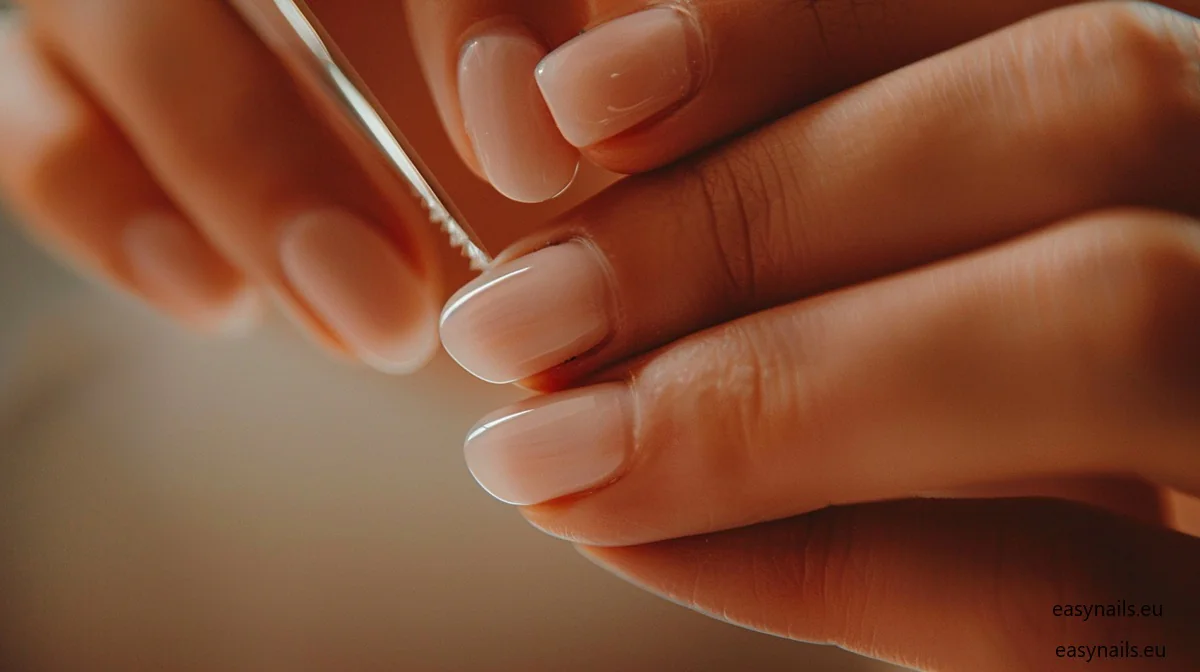
Diabetes, a chronic disease affecting many people worldwide, impacts not only our diet or blood sugar levels. It also influences how we care for our bodies, including our nails. Manicure for diabetics requires special attention and caution to avoid health complications. In this article, we provide tips on how to safely perform a manicure with diabetes and what to pay particular attention to.
Why must diabetics be cautious?
People with diabetes often have circulation problems, which can lead to slower wound healing and a higher susceptibility to infections. Additionally, changes in blood sugar levels can affect the condition of the skin and nails. Therefore, it is crucial that every, even the smallest, wound or scratch is properly cared for.
According to the American Diabetes Association, proper care of the feet and hands is essential for diabetics to avoid serious health complications.
Safe Manicure Step by Step
1. Preparation
Before starting a manicure, it’s important to ensure that the tools are properly disinfected and sterilized. This is crucial because bacteria and fungi are the main enemies of diabetics.
2. Gentle Cuticle Removal
Cuticles around the nails serve a protective function, so it’s better not to cut them but to gently push them back. By using a special cuticle remover, we can soften the skin and push it back more safely. Remember not to apply too much pressure to avoid damaging the delicate skin.
3. File Instead of Clippers
Instead of nail clippers, which can lead to hangnails, it’s better to use a file. Filing nails is definitely safer and allows for precise shaping without the risk of injury.
4. Moisturizing
After finishing the manicure, it’s advisable to apply a moisturizing cream to the hands and nails. Moisturized skin is less prone to cracks and irritations. It’s good to choose products dedicated to diabetics, which additionally strengthen the skin’s protective barrier.
What to Watch Out For?
During a manicure, it’s worth avoiding sharp tools and not experimenting with techniques that may damage the skin. It’s also important to pay attention to the ingredients of the cosmetics used – ideally, they should be hypoallergenic and intended for sensitive skin.
If we notice any redness, swelling, or irritation, we should immediately consult a doctor. Ignoring such symptoms can lead to more serious health problems.
Our Experiences and Observations
From our observations, many diabetics are unaware of the potential risks associated with improper nail care. That’s why it’s so important to educate and share knowledge on this topic. Personally, we believe that proper education and awareness can significantly improve the quality of life for people with diabetes.
Your opinions
We are curious about your experiences with nail care for diabetes. Do you have any tried and tested methods that you would recommend to others? Share them in the comments below!
Manicure for diabetics is a topic that deserves special attention. Remember, safety should always come first. By taking care of ourselves, we can enjoy beautiful nails without worrying about health complications.


