


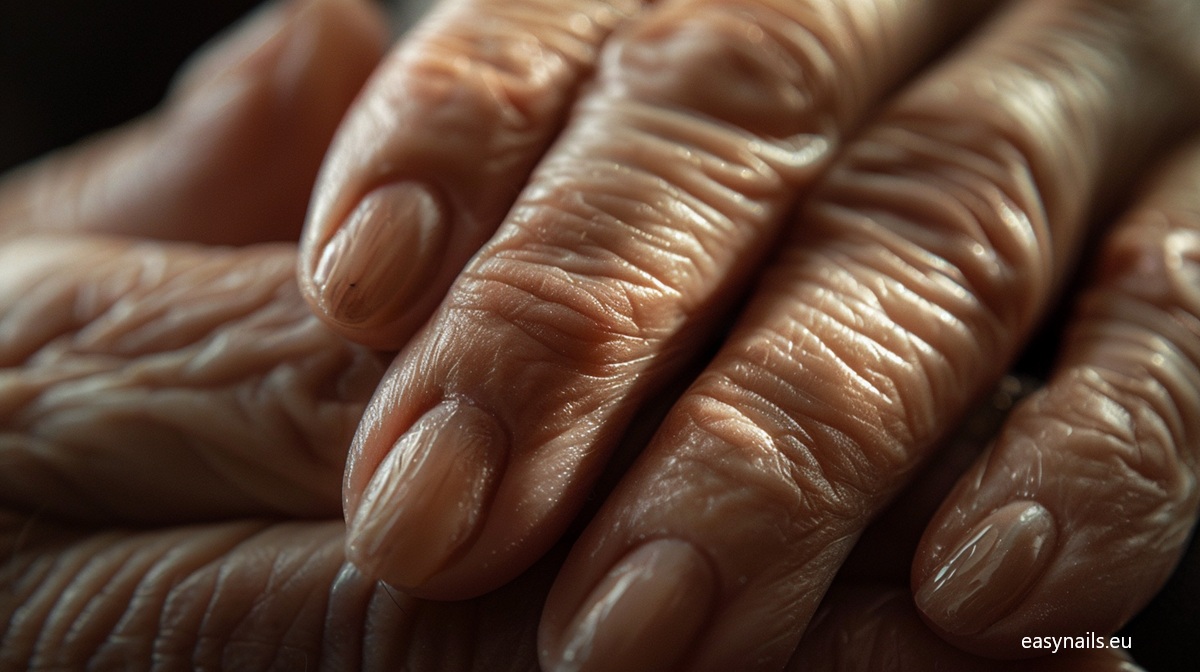
Nail psoriasis is a condition that can significantly impact our daily lives. It affects not only the skin but also the nails, which is often an overlooked aspect of this disease. What are the symptoms of nail psoriasis? How can it be treated? And most importantly, how to care for nails with this condition to feel more confident and comfortable? The answers to these questions can be found below.
Symptoms of nail psoriasis
Nail psoriasis is quite a complex issue, and its symptoms can vary from person to person. The most common symptoms include changes in the color of the nail plate, which can take on yellowish or brownish hues. There are also irregular indentations that give the nails an unsightly appearance. Another symptom is the thickening and brittleness of the nail plate, which can lead to breaking and splitting. Sometimes, white spots or lines are also noticeable on the nail surface. For some people, these symptoms may be merely a cosmetic issue, but for others, they can lead to pain and discomfort.
Treatment of nail psoriasis
Treating nail psoriasis requires understanding that it is a chronic condition. Many people use topical therapies, such as ointments and creams containing corticosteroids, which help reduce inflammation and improve the appearance of the nails. In more advanced forms of the disease, doctors may recommend systemic treatment, which includes immunosuppressive or biological drugs. It is also worth mentioning the possibilities of the latest therapies, which focus on phototherapy and laser therapy. These are innovative approaches that are gaining increasing recognition among specialists. More information about the treatment of nail psoriasis can be found on the website of the Polish Dermatological Society, which is a reliable source of knowledge in this field (https://ptderm.pl/).
How to care for nails with psoriasis?
Caring for nails with psoriasis is key to keeping them in the best possible condition. First and foremost, regular care is important, which includes gently trimming the nails to prevent breaking. It is also worth avoiding overly aggressive polishing, which can damage the nail plate. Remember to use moisturizing hand and nail creams to keep them in good shape. It is also advisable to wear gloves during household or gardening work to protect the nails from mechanical and chemical damage.
In our opinion at Easy Nails, it is also worth considering the use of specialized nail polishes that can help protect and strengthen the nail plate. Remember, nail psoriasis is not only an aesthetic issue but also a health concern, so it is worth consulting a dermatologist to choose the appropriate therapy and care.
In the opinion of Easy Nails
Nail psoriasis is a challenge that can be managed with the right approach and knowledge. The key is understanding that treatment and care must go hand in hand. Regular consultation with a doctor and following their recommendations is fundamental. What are your experiences with nail psoriasis? Do you have your tried and tested care methods? We would love to hear your opinions and suggestions. We encourage you to share them in the comments.


