


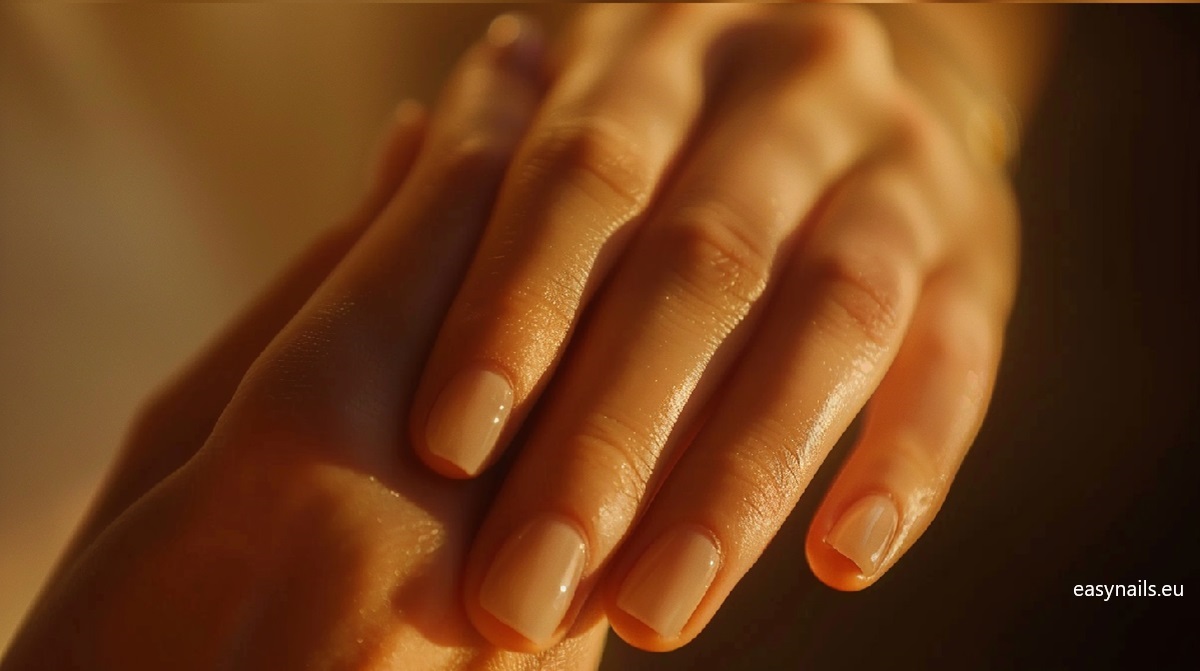
Chemotherapy, as one of the most commonly used cancer treatment methods, unfortunately has its side effects. One of them is onycholysis, which is the detachment of the nail plate from the nail bed. How to deal with it? Are there effective methods to alleviate this problem? Let’s take a closer look at this issue.
What is onycholysis?
Onycholysis is a condition where the nail plate separates from the nail bed. It can occur on both fingernails and toenails. It manifests as a change in nail color, which becomes milky white or yellowish. In the case of chemotherapy, onycholysis results from the action of cytostatics on nail cells, which grow very quickly, similar to cancer cells. Unfortunately, it is not possible to completely avoid this effect, but steps can be taken to alleviate its symptoms and prevent further damage.
How to deal with onycholysis?
1. Maintain nail hygiene
The first step in dealing with onycholysis is maintaining proper nail hygiene. Regular hand washing, gentle drying, and avoiding prolonged soaking in water can help keep nails in better condition. It is also important to use mild soaps and avoid irritating detergents.
2. Trim nails regularly
Short nails are less prone to mechanical damage. Try to keep them at a length that does not catch on objects, which could lead to further detachment of the plate.
3. Use appropriate cosmetics
Nail creams and oils can help moisturize and strengthen the plate. It is worth choosing products that contain ingredients such as keratin, vitamin E, or tea tree oil. They are known for their regenerative and antibacterial properties.
4. Avoid mechanical injuries
When performing daily activities such as cleaning or cooking, it is worth wearing protective gloves. They will help minimize the risk of mechanical nail damage, which in the case of onycholysis is extremely susceptible to injury.
5. Consult a doctor
If you notice that the condition of your nails is worsening, be sure to consult a doctor. They may recommend additional tests or propose pharmacological treatment to help combat onycholysis. It is not worth ignoring the problem, as it can lead to infections or other complications.
Are there alternative treatment methods?
Some patients experiencing onycholysis after chemotherapy opt for alternative treatment methods such as acupuncture or specialized massages. Although there is no conclusive evidence of their effectiveness in the case of onycholysis, some patients feel relief and improvement in nail condition. However, it is important to remember that any decision to use an alternative method should be consulted with the attending physician.
Our opinion
From our experience, fighting onycholysis after chemotherapy requires patience and consistency. Although it is not easy, proper nail care and regular consultations with a doctor can significantly improve their condition. Do you have your own experiences in dealing with this problem? What is your opinion on the methods used?
Summary
Onycholysis after chemotherapy is a problem that should not be underestimated. Proper care, protection against injuries, and consultations with a doctor can help alleviate symptoms. Remember that in case of any health concerns, it is always worth consulting with the attending physician. Easy Nails recommends consulting with the attending physician before undergoing a cosmetic procedure to ensure that you do not harm your health. We look forward to your comments and opinions on this topic!


