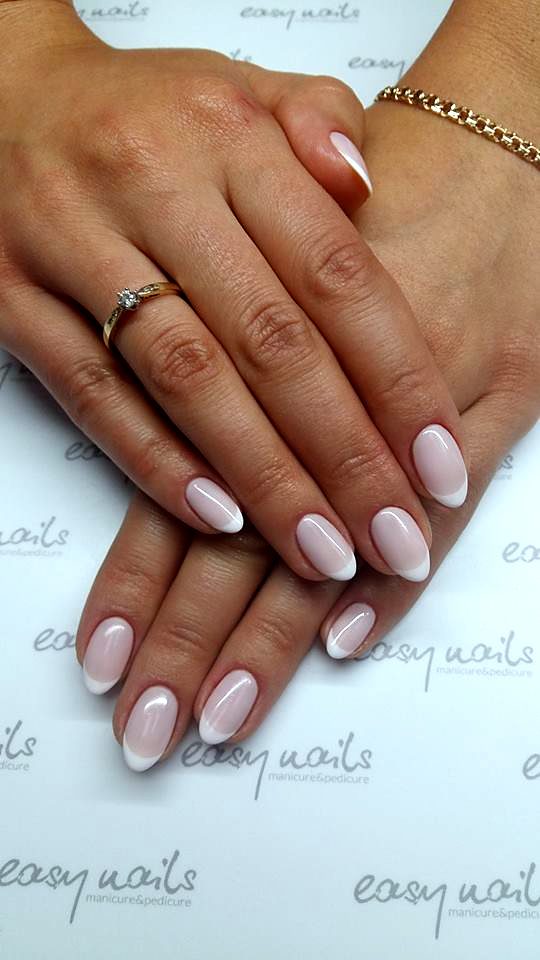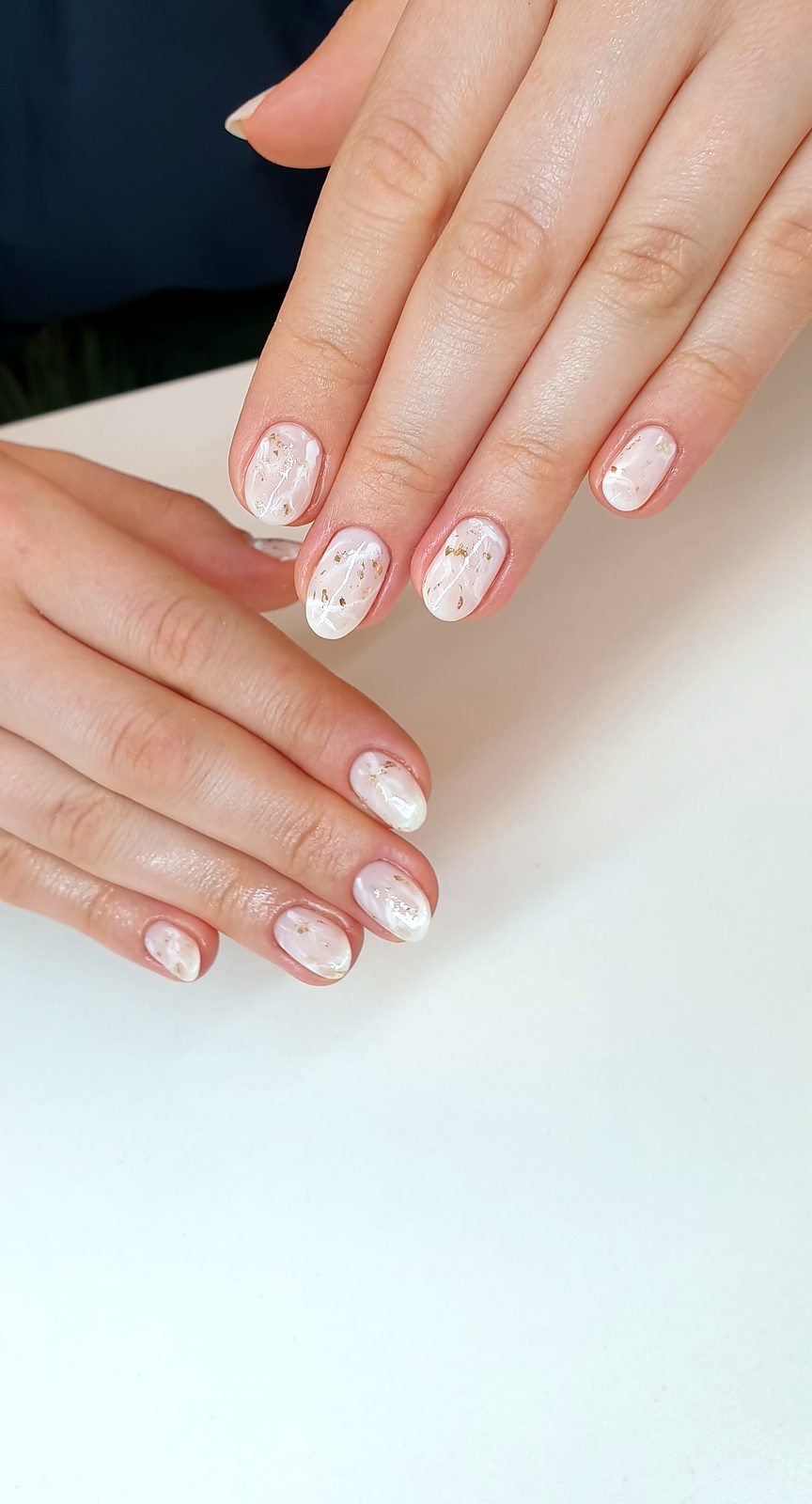
A hybrid manicure is a popular service that combines the advantages of classic and gel polish, and it can last for a long time. Most people can have one safely, but certain health conditions, nail problems and skin conditions mean it may not be suitable. Tell your technician about allergies, medications and any changes you have noticed, and check with a doctor when in doubt.
Health-related contraindications
Some people should take extra care before a hybrid manicure, particularly those with certain health conditions or those taking specific medications. The most important factor is an allergy or sensitivity to the products used, so always tell your technician about any allergies or intolerances before the service starts.
Autoimmune conditions, such as psoriasis or alopecia areata, may be linked to a skin reaction to salon products. Some medications can make skin more sensitive to light, so the UV or LED lamp used to cure gel polish may be a concern for some people. If you take any medication, check with your doctor before the appointment.
A doctor or dermatologist should check any persistent or worrying change in the skin or nails before polish is applied.
Nail and skin conditions that may rule out a hybrid manicure
Several nail and skin problems mean a hybrid manicure is better postponed. A technician should assess them before any product goes on the nail.
- Damaged or weakened nails. If the nail plate is over-filed, very thin, splitting or brittle, hybrid polish may worsen the damage. Strengthening care or regeneration first is usually the safer step, and a technician can advise on this.
- Bacterial infection. Greenish discolouration on the nail may be linked to a bacterial infection, often called “green nail”. Polish applied over an infected nail can make it worse, so styling should wait until a doctor has assessed the nail.
- Nail fungus. Fungal infection of the nail (onychomycosis) is a reason to avoid polish. Applying product can worsen the condition and may spread the infection to others. See a dermatologist or doctor for assessment and advice.
- Skin inflammation around the nails. Redness, swelling or pus around the nail fold, such as paronychia, can be made worse by products. Wait until the skin has fully healed.
- Warts around the hands and nails. Viral warts may be linked to HPV and can spread, so they should be assessed by a doctor before any nail styling.
Your technician should look at your nails and skin before starting. If they notice a possible contraindication, they should explain honestly whether a hybrid manicure is suitable or whether another service is a better choice.
Open communication matters. If you are unsure whether your nails or skin are suitable, say so before the appointment rather than during it.
Preparing and removing hybrid polish safely
Good preparation lowers the risk of problems. Try these steps before your appointment:
- Avoid biting your nails and tearing your cuticles.
- Use a conditioner or moisturizing cream to keep nails and cuticles in good condition.
- Tell your technician about allergies, skin conditions and medications you are taking.
- Postpone the appointment if your hands are inflamed, sore or broken.
Hybrid polish is usually removed after several weeks, when it begins to grow out. Tearing or scraping it off at home can damage the nail plate, so removal is best done by a professional. A technician may dissolve the polish with a suitable solution or remove it with a milling machine. A milling machine is only safe in the hands of a trained professional, so do not try it yourself.
Related reading:
- Gel Nails and Autoimmune Diseases: What You Need to Know
- Hybrid Pedicure Contraindications: Who Should Avoid It
- Is Arthritis a Contraindication for Hybrid and Classic Manicure?
Frequently asked questions
Can I have a hybrid manicure if I have an allergy?
Tell your technician first, because product allergies are a key reason to avoid a service. Ask your doctor whether a patch test makes sense for you.
Is a hybrid manicure safe during pregnancy?
Speak with your doctor first, especially if you take medication or have sensitive skin. Your doctor can advise whether the service suits your situation.
Can I remove hybrid polish at home?
This is not recommended. Peeling or scraping the polish can damage the nail plate, so a professional should remove it.
A hybrid manicure can be a safe, long-lasting choice when your nails and skin are in good condition and you have been honest with your technician. Easy Nails in Wroclaw, by the Market Square, can check your nails before any polish goes on, and you can book a visit online.