


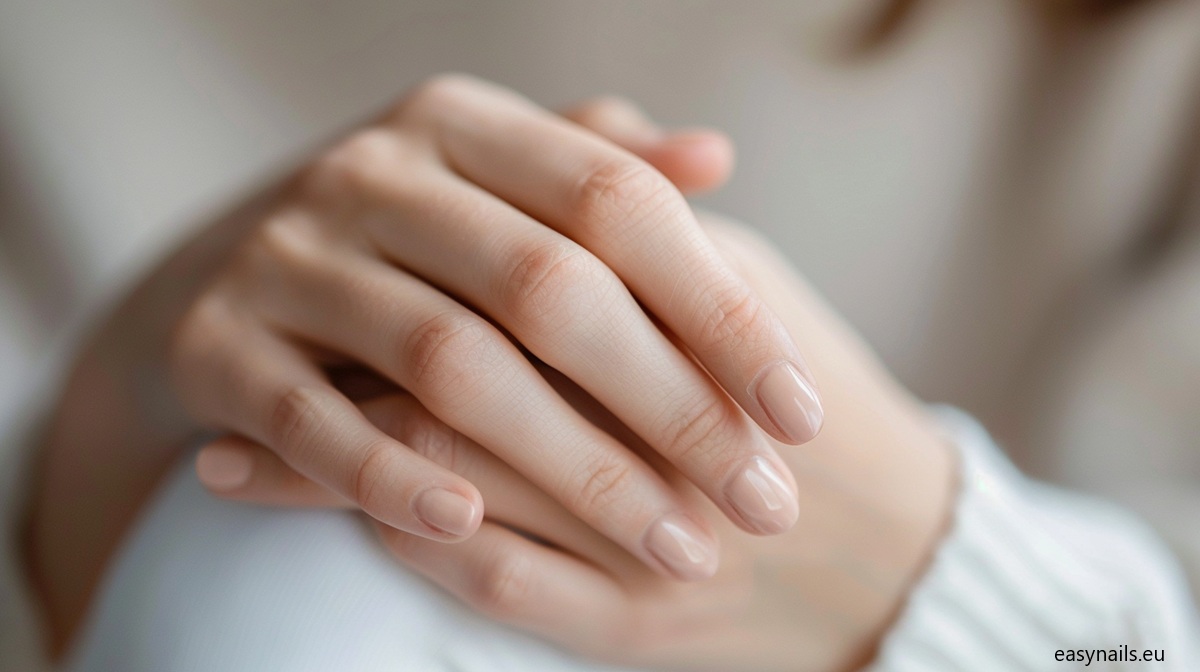
Incorrectly performed nail styling or an allergy to hybrid manicure products are serious issues that can affect not only the appearance of the nails but also their health. Both over-filing the nail plate and the occurrence of allergies require an appropriate approach and time for regeneration. In the following article, we present how to care for weakened nails, minimize side effects, and return to healthy care.
Sawed nails: where do they come from and how to fix them?
Sawing through the nail plate most often results from improper technique in removing styling—using the file or drill too aggressively. This can lead to thinning of the nail, excessive sensitivity, and in extreme cases, even pain. It often also manifests as splitting of the plate and lack of its flexibility.
How to help split nails?
1. Take a break from styling
The first and most important step is to refrain from any nail styling for at least 4-6 weeks. Nails need time to regenerate, and applying additional layers of polish or gel will only worsen their condition.
2. Introduce appropriate care
Regular use of strengthening conditioners, such as IBX or regenerative bases with keratin, will help rebuild the nail structure. It’s also worth investing in nail oils that moisturize the plate and cuticles.
3. Take care of your diet
Nails reflect the health of the body. Introducing products rich in biotin, zinc, and B vitamins into the diet can accelerate regeneration. Good results are also achieved with supplementation dedicated to nail and hair health.
4. Avoid contact with detergents
During nail regeneration, it’s advisable to avoid contact with strong detergents and chemicals. If you need to use such products, always wear protective gloves.
Allergy to hybrid – how to proceed?
Allergy to hybrid nail polishes typically manifests as redness, itching, cracking of the skin around the nails, and sometimes even swelling or changes on the nail plate. This type of reaction is usually the result of hypersensitivity to product ingredients, such as acrylates or formaldehyde.
Steps worth taking:
1. Immediate removal of styling
If you notice the first symptoms of an allergy, remove the styling as soon as possible. It’s best to do this with a specialist who will ensure gentle removal of the polish without further damaging the nails.
2. Avoid contact with allergens
After an allergy occurs, hybrid and gel products should be avoided until the skin and nails are completely healed. In the future, it is worth considering switching to hypoallergenic products or alternative styling methods, such as classic manicure.
3. Consultation with a dermatologist
In the case of severe allergy symptoms, it is advisable to consult a dermatologist. The doctor may recommend the use of anti-allergic ointments or antihistamine medications.
4. Regeneration of cuticles and nails
In addition to nail care, special attention should be paid to cuticles. Regular use of oils and moisturizing creams will help restore the health of the skin around the nails.
How to prevent problems in the future?
• Choose experienced nail stylists – A professional always uses the appropriate technique and the highest quality products.
• Pay attention to products – If you have sensitive skin, choose polishes and bases labeled as hypoallergenic.
Both split nails and allergies are situations that can happen to anyone. The key is quick action, proper care, and patience to return to healthy, beautiful nails.
Remember that irritation after hybrid nails is temporary and with proper care should quickly disappear. However, if the condition does not improve or other symptoms worsen, consult a dermatologist.
What do you think about this? Do you have any personal methods for dealing with irritation after hybrid nails? Share your experiences and opinions in the comments below!


