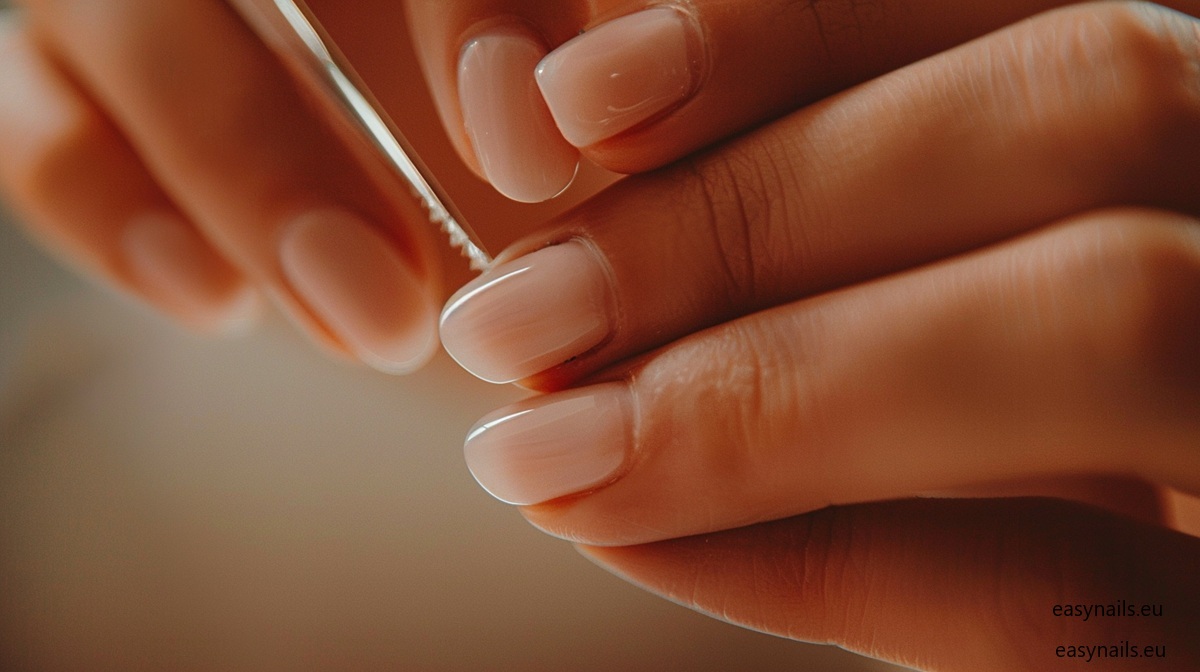
A manicure is possible with diabetes, but it needs extra caution: use clean, sterilized tools, avoid cutting cuticles or skin, file instead of clipping, and see a doctor if you notice redness, swelling or a wound that does not heal. Below are practical tips for safer nail care.
Why must people with diabetes be cautious?
Diabetes affects more than diet and blood sugar. It can also influence how we care for our skin and nails. People with diabetes may have circulation problems, which can slow wound healing and increase the risk of infections. Changes in blood sugar can also affect the condition of the skin and nails. For this reason even the smallest cut or scratch should be treated properly.
According to the American Diabetes Association, proper care of the feet and hands is important for people with diabetes to avoid serious complications.
Safe manicure step by step
1. Preparation and hygiene
Before the manicure, make sure all tools are properly disinfected and sterilized. Bacteria and fungi are a particular risk for people with diabetes, so hygiene is the first priority. If you do your manicure at home, use your own tools only.
2. Gentle cuticle care
Cuticles protect the skin around the nail, so it is better not to cut them. Instead, soften the skin and gently push it back, without pressing too hard so you do not damage the delicate skin.
3. File instead of clippers
Filing is generally gentler than clipping, which can cause splits and hangnails. A file lets you shape the nail precisely with a lower risk of injury. Avoid cutting into the corners of the nail.
4. Moisturize
When you have finished, apply a moisturizing cream to your hands and nails. Moisturized skin is less likely to crack or become irritated. Choose a gentle product, ideally fragrance-free, and ask your doctor or pharmacist for a recommendation if you are unsure.
What to watch out for
Avoid sharp tools and do not experiment with techniques that could damage the skin. Pay attention to the ingredients in the products you use. Ideally they should be hypoallergenic and suitable for sensitive skin.
If you notice redness, swelling, pain or any wound that does not heal, speak to your doctor promptly. Ignoring such symptoms can lead to more serious problems. If you have concerns about your feet, ask a doctor or podiatrist.
Tips for visiting a salon
- Tell your nail technician that you have diabetes before the session starts.
- Ask how tools are cleaned and sterilized, and whether single-use items are available.
- Say straight away if anything hurts, and ask for a gentler approach.
- If you book a classic manicure, ask to skip cutting the cuticles.
Our experience and observations
From our observations, many people with diabetes are not aware of the risks of improper nail care. That is why we think education and awareness are so important. Safety should always come first, and with care, you can enjoy neat, healthy-looking nails.
Related reading:
- Safe Manicure for People with Weakened Immunity: What to Watch For
- Diabetes and nail health: what changes to watch for
- Can hybrid pedicure damage toenails? What to watch for
Frequently asked questions
Can people with diabetes get a manicure?
Yes, in most cases, as long as the manicure is gentle, hygienic and does not break the skin. If you have complications such as poor circulation or reduced sensation, ask your doctor first.
Should cuticles be cut with diabetes?
It is better not to. Cuticles protect against infection, so they should be softened and gently pushed back instead.
What should I do if I accidentally get a small cut?
Clean it gently, cover it with a sterile dressing and watch it closely. If it becomes red, swollen or painful, or does not heal, contact your doctor.
Looking for a careful, hygienic manicure? Visit us at Easy Nails, 63 Świętego Mikołaja Street, right by Wroclaw Market Square, or book a visit online.