


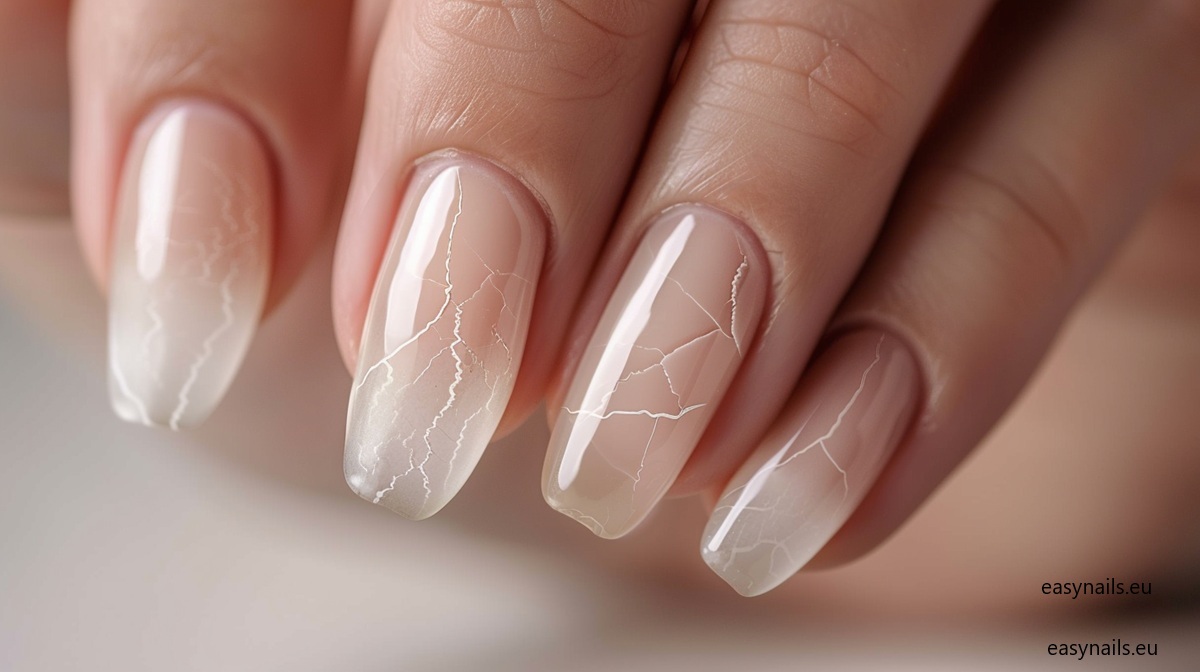
Nails, although often considered an element of aesthetics, are also an important indicator of our health. Changes in their appearance can indicate various health problems. Have you ever wondered how to recognize the most common nail diseases? In this article, we will look at the symptoms of fungal infections and other nail diseases that may signal something is wrong.
Nail fungus – the silent enemy of our feet
One of the most common nail diseases is fungal infection. The symptoms of this disease may initially be subtle, but over time they become more noticeable. Infected nails may become thickened, dull, and their color may change to yellowish or brown. In some cases, they may also peel or crumble. According to the Mayo Clinic, nail fungus is a problem that can affect up to 10% of the adult population. It is an infectious disease, which means we can easily catch it, especially in public places such as swimming pools or saunas. Therefore, it is important to maintain foot and nail hygiene. Have you ever noticed similar symptoms in yourself?
Nail Psoriasis – More Than a Skin Problem
Psoriasis is an autoimmune disease often associated with skin issues. However, it can also affect the nails. Symptoms of nail psoriasis include indentations in the nail plate, color changes, and separation of the nail from the nail bed. People with nail psoriasis often experience pain and discomfort.
According to the National Psoriasis Foundation, up to 50% of people with skin psoriasis also experience changes in their nails. If you notice similar symptoms, it is worth consulting a dermatologist. Psoriasis is a chronic condition, but appropriate treatment can significantly improve quality of life. What are your experiences with psoriasis?
Paronychia – A Minor Issue That Can Become Serious
Paronychia is an inflammation of the skin around the nail, which can be caused by a bacterial or fungal infection. Symptoms of paronychia include pain, swelling, redness, and sometimes pus around the nail. Although it seems harmless, paronychia can lead to more serious complications if not properly treated.
Paronychia often affects people who have a habit of biting their nails or work in a damp environment. Did you know that even minor skin damage around the nail can become an entry point for bacteria?
Onycholysis – when the nail separates
Onycholysis is a condition where the nail separates from the nail bed. It most commonly affects fingernails and is characterized by a white space under the nail plate. Although onycholysis is not painful, it can lead to an increased risk of infection. The causes of this condition can be varied: from mechanical injuries to allergic reactions and skin diseases.
Have you ever experienced onycholysis? How do you deal with it? Regular nail hygiene and avoiding injuries can help prevent this problem.
How to care for nail health?
Healthy nails are not only a matter of aesthetics but also of health. To keep them in good condition, it’s worth following a few simple rules. First, cut them regularly and avoid biting. Second, maintain hygiene – wash your hands and feet, especially after visiting public places. Third, use moisturizing creams for hands and feet, which will help keep the skin around the nails in good condition.
What are your proven methods for nail care? Share your experiences in the comments!
Summary
Nail health is as important as skin or hair health. Changes in their appearance can be a signal that something is wrong. Fungal infections, psoriasis, paronychia, or onycholysis are just some of the problems that can affect our nails. It is important not to ignore these symptoms and consult a doctor if necessary. Remember, prevention and proper care are the keys to healthy nails. What is your opinion on this topic? Do you think that nail care is as important as other aspects of health? We look forward to your comments!


